What we do.
Our research explores the fundamental building blocks of human communication by examining how nonverbal behaviors – particularly movements of the body, head, and face–communicate social rank, emotion, personality, and mental health. Our work integrates social, cognitive, and affective science with advanced quantitative and computational methods to uncover the nonverbal cues and visual mechanisms that guide social perception and social interaction.
A core priority of our research is ensuring the generalizability of our findings across populations and ages. To do this, we recruit participants from diverse regions spanning 6 continents, members of an isolated small-scale indigenous society with minimal exposure to the Western world (the Mayangna), and children as young as two years old. These efforts have yielded impactful, multidisciplinary collaborations demonstrating that many aspects of nonverbal communication are broadly shared across cultures and emerge early in development.
Our work has been published in leading journals such as Journal of Personality and Social Psychology, Psychological Science, Emotion, and PNAS Nexus, and is currently supported by a Grant from the University of Amsterdam’s Data Science Center and the Australian Research Council.
Zak Witkower
Lab Director and Principal Investigator
Distinct Nonverbal Displays of Dominance and Prestige
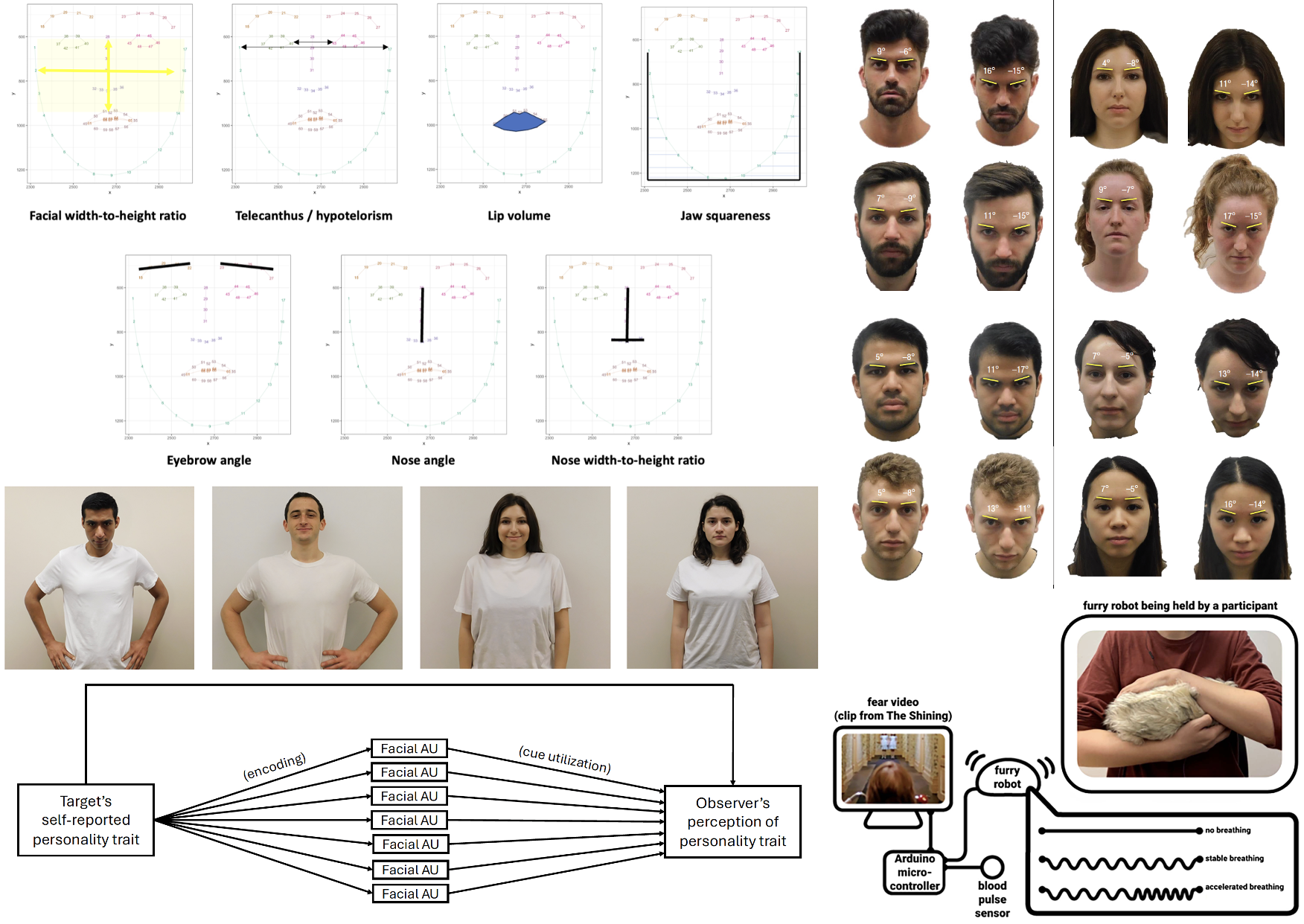
We study how nonverbal behavior is used to shape social judgments, decision-making, and social rank. Our research shows that humans use distinct nonverbal displays to communicate dominance and prestige, and that these nonverbal signals may be a universal features of human communication (Witkower et al., 2020, JPSP; Witkower et al., 2024, JEP:G).
The Action Unit Imposter
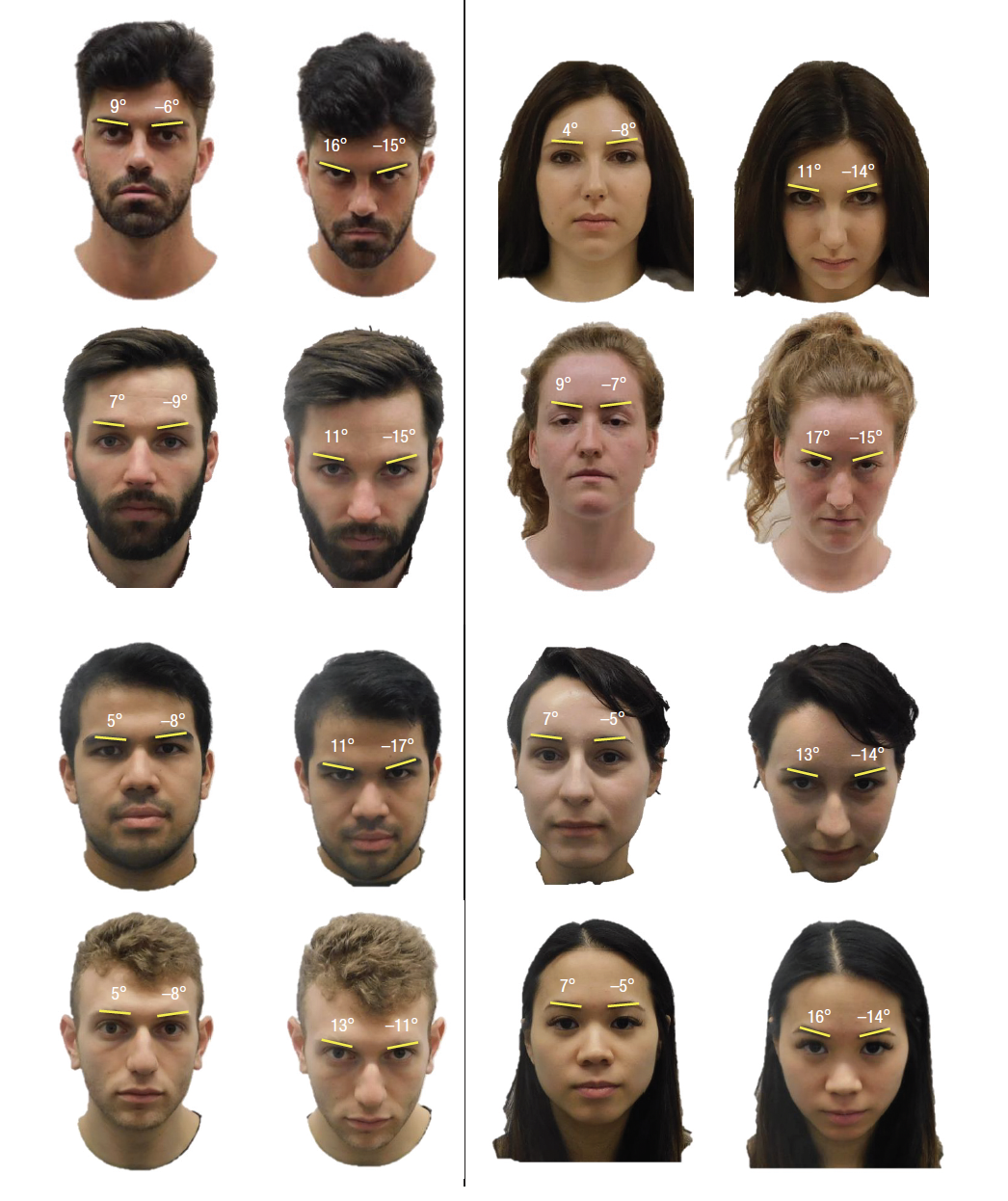
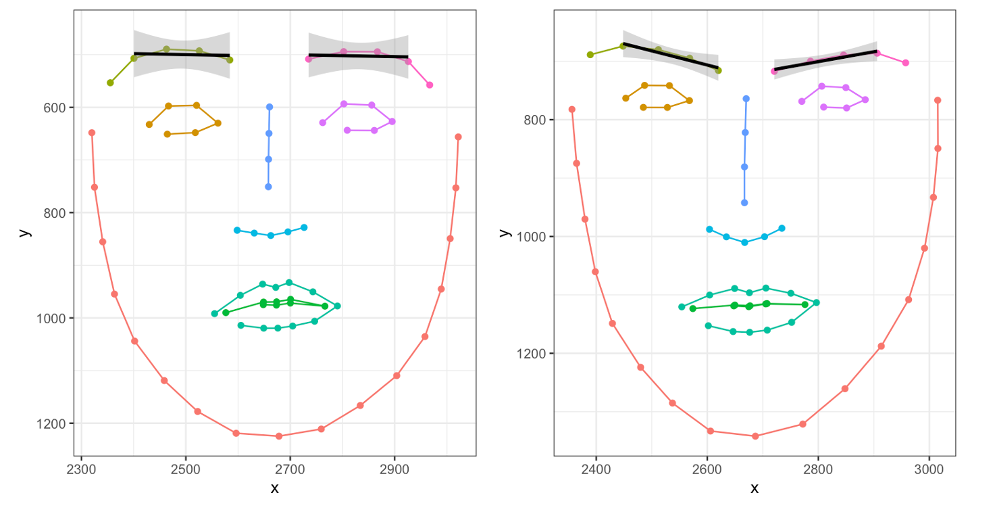
We study how head movements co-opt facial expression perception by altering the apparent structure of the face. This “action-unit imposter” mechanism influences perceptions of both neutral and expressive faces, and may be a universal feature of human communication (Witkower & Tracy, 2019, Psychological Science; Witkower & Tracy, 2020, Emotion; Witkower et al., 2022, Scientific Reports).
The dissertation reporting this work received nationwide recognition with the CAGS/ProQuest National Dissertation Award, which recognizes the most outstanding and original doctoral thesis across the social sciences, arts, and humanities, in all of Canada.
Bodily expression of emotion
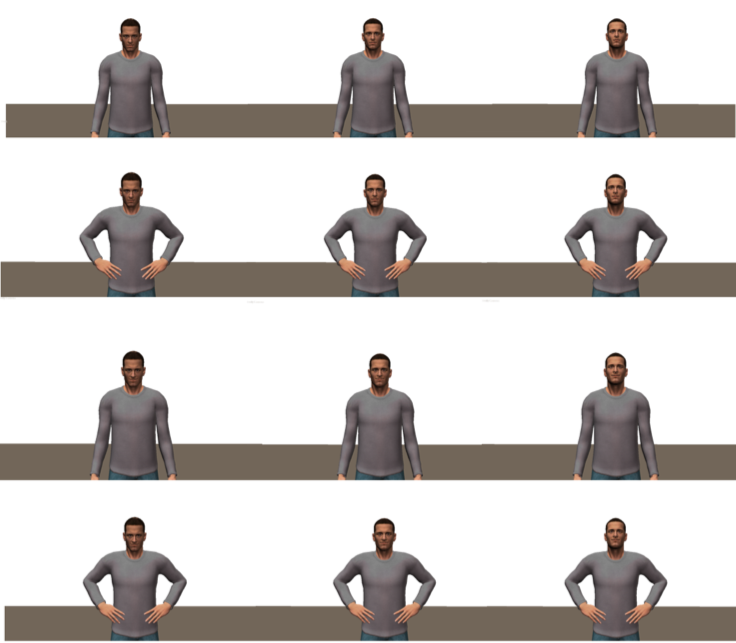
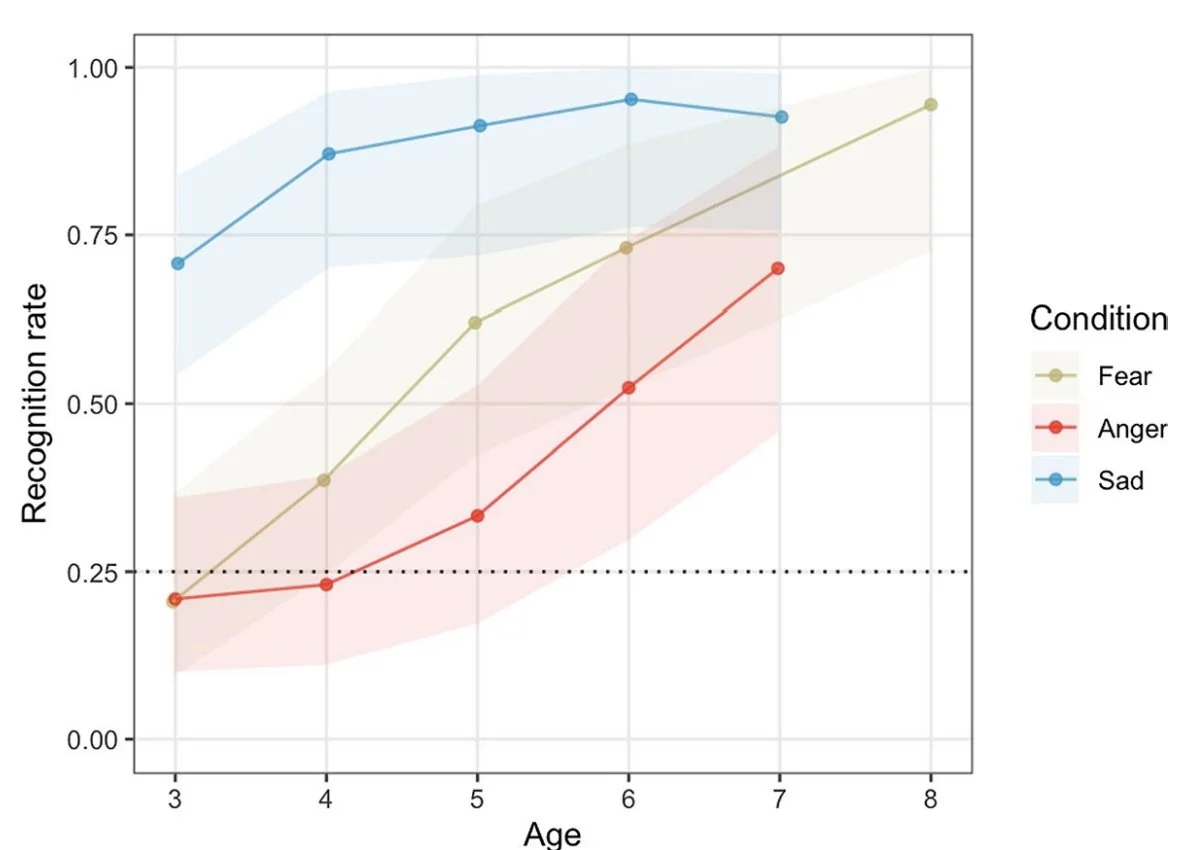
We study how body movements and postures communicate emotion. Our research shows that people effectively recognize emotion from the body alone, and that these expressions are consistent across diverse cultural groups and ages (Witkower & Tracy, 2019, Emotion Review; Witkower et al., 2021, Affective Science; Witkower et al., 2021, Journal of Nonverbal Behavior).
Ongoing research
Smiles reveal personality
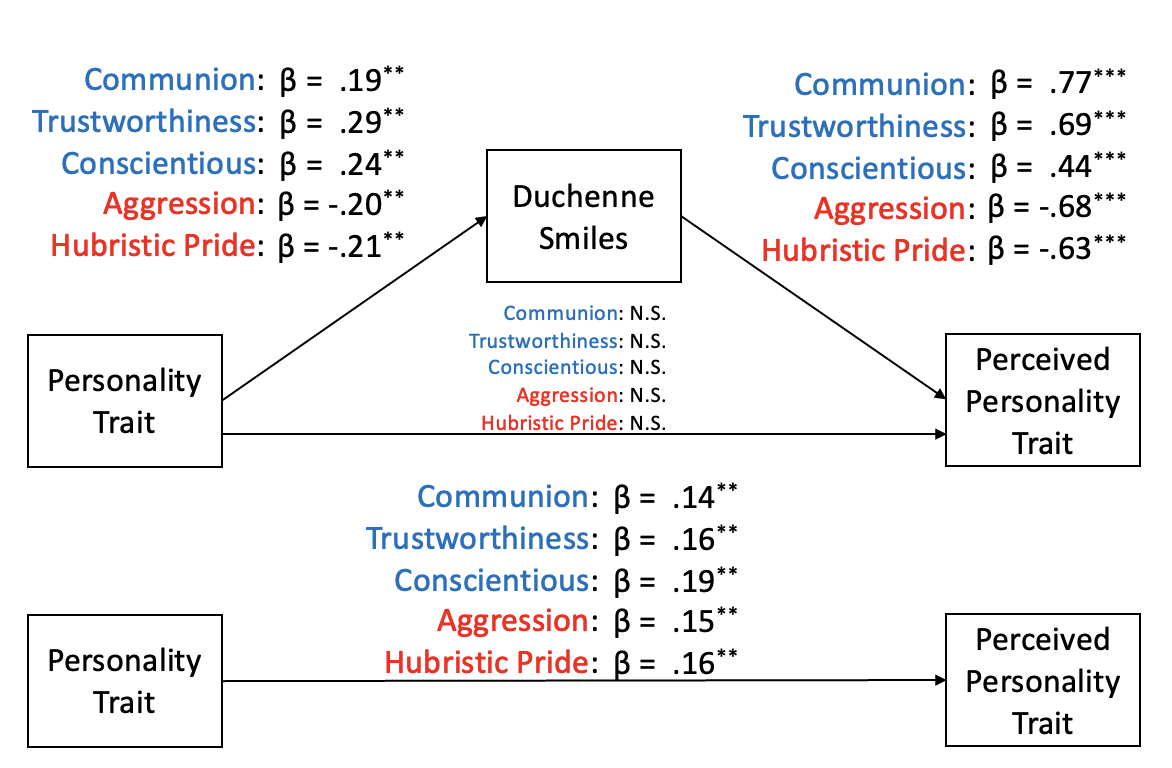
We’re going beyond the conventional understanding of smiles as mere expressions of spontaneously felt positive emotion, instead establishing them as a form of self-expression that, when posed, offers a valid window into well-being and personality, and which enable accurate assessments of dispositions by machine-learning algorithms and lay observers.
Nonverbal behavior influences decision making
We form judgments about people based on their nonverbal behavior, and rely on those judgments to guide our own behavior and decision-making; who to approach, follow, fear, avoid, learn from, and select into positions of power. This research investigates if and why nonverbal behavior enables individuals to influence others’ behavior and decision-making, and to attain positions of power while working in teams.

Geometric angularity and threat
We argue that humans evolved to associate geometric angularity with threat and danger (e.g., sharp and angular = dangerous), and that, over time, this cognitive association became co-opted for the nonverbal communication of threat, such that humans today leverage a variety of threat-signaling behaviors that function by increasing the visual angularity of facial and bodily features.
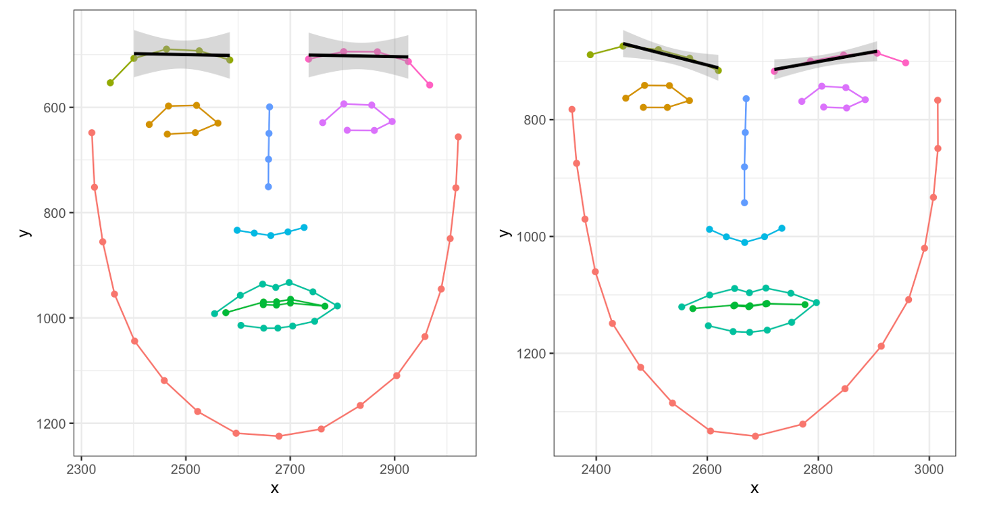
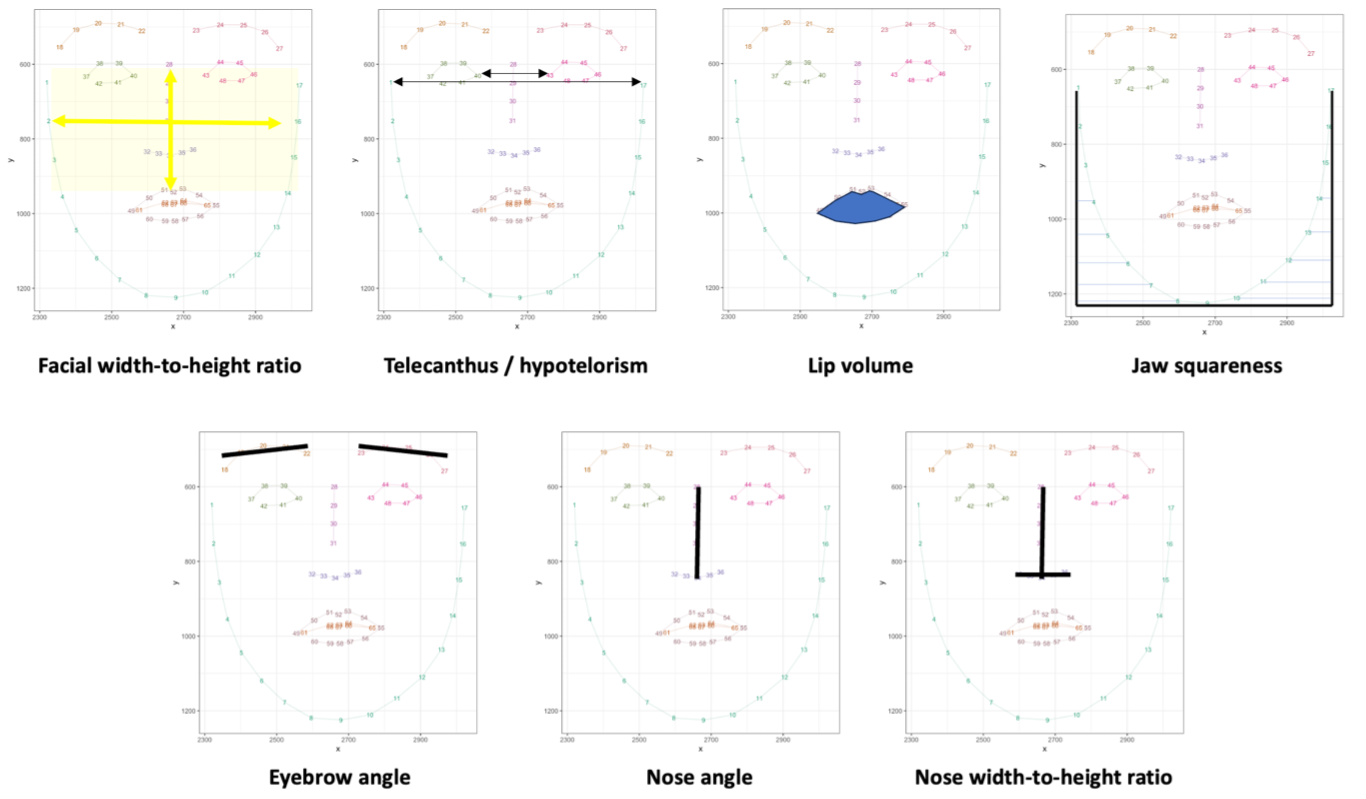
Research on face perception fundamentally depends on accurately and precisely quantifying differences between faces. However, there are relatively few objective and scalable methods for quantifying morphometric variation in socially meaningful facial appearance cues. This research develops new techniques for quantifying faces, and identifies the visual mechanisms that guide face perception all around the world.
Universal mechanisms of face perception